
Making sense of what support is available
When someone is dying, support often comes from several places at once. This can include the NHS, social care, community teams and informal networks of people around them.
It can feel complicated, especially if you are already tired, worried or overwhelmed. Knowing what support is usually available, and how it fits together, can make things feel a little more manageable.
Medical and nursing support
GPs
GPs usually remain central to a person’s care, even at the end of life. They can:
Review and manage symptoms
Adjust medication, including anticipatory medicines
Refer to other services such as district nurses, hospice teams and equipment services
Once someone is recognised as being near the end of their life, GPs can often help trigger faster access to community support.
District and community nurses
District or community nurses are often the professionals families see most when someone is dying at home.
They may:
Visit at home, sometimes daily or more often
Monitor comfort and symptoms
Give injections and manage syringe drivers
Arrange continence supplies
Liaise with GPs and out-of-hours services
In many areas, they also help people access other services, such as equipment or night care. People are usually referred to the district nursing team by their GP, hospital discharge team, or other community or hospice professionals. Sometimes, referrals happen urgently after a family member contacts the GP or NHS 111.
Specialist palliative care teams
Some people are referred to specialist palliative care teams, especially if symptoms are complex or hard to control. These teams may include specialist doctors, nurses, social workers, therapists and counsellors.
They can help with:
Pain, nausea, breathlessness and anxiety
Emotional and psychological support
Spiritual or existential concerns
They do not replace your usual care team. Instead, they add an extra layer of expertise.
Social care and practical help
Home care (domiciliary carers)
Local authority adult social care can assess whether someone needs help with day to day tasks, such as:
Washing, dressing or using the toilet
Preparing meals
Taking medication
Moving safely
This support is often means tested. However, when someone is dying, fast-track or urgent assessments may be possible.
Rapid response or urgent care teams
In many areas, there are community teams that can step in quickly if someone’s condition changes suddenly.
They may:
Provide short term, intensive care at home
Help prevent unnecessary hospital admissions
Work closely with district nurses
For people who want to remain at home, these teams can make a significant difference. You can usually find out more about these through your local hospital or GP practice.
Night sitting services
Some areas offer overnight care, where a carer or nurse stays through the night.
They may:
Monitor comfort and safety
Give medication if needed
Allow family members to rest
Availability varies widely depending on where you live, so it is best to ask your GP or district nurse what is available locally.
Equipment and aids
This is often the part families find hardest to navigate.
Common equipment such as hospital beds, commodes, pressure relieving mattresses or walking aids is usually provided through community services.
Typically:
District nurses arrange simpler items like commodes, slide sheets and continence supplies
Occupational therapists assess for beds, hoists, rails and more complex needs
GPs can help route urgent requests
Delivery is usually to the home, and urgent needs can sometimes be met the same day or next day.
Emotional, psychological and spiritual support
Hospice support
Hospice care is not only for the final days of life. Many people are supported by hospice teams weeks or months earlier, alongside care at home or in hospital.
Hospice services can include specialist symptom control, emotional and spiritual support, and practical advice for families. Some people attend day hospice services, while others may have short inpatient stays if symptoms become difficult to manage. In many areas, hospice teams also support people in their own homes.
Referrals are often made by a GP, hospital team, district nurse, or community or specialist nurse. It can be helpful to get in touch directly with your local hospice, who will let you know the best ways to be referred. Its also important to note that hospice care is delivered to patients free of charge.
End of life doulas (sometimes called ‘death doulas’) or companions
Some people choose to have the support of a non-medical companion at the end of life, often alongside hospice, nursing and family care.
End of life doulas focus on the emotional and human aspects of dying. They may offer calm presence, reassurance, conversation or quiet companionship, and support with reflection, legacy work or planning wishes. Some also help families understand what to expect and feel more confident supporting someone who is dying.
Many people begin working with a doula weeks or months before death, when they want time to prepare and talk things through.
Doulas do not provide medical or personal care and are not a replacement for clinical services. Their work is usually privately funded.
Faith leaders and spiritual carers
For many people, spiritual or faith-based support becomes more important as they approach the end of life, whether or not they follow a formal religion.
Faith leaders, chaplains and spiritual carers can offer prayer, rituals or readings, reflective conversation, emotional support and quiet presence. They may help people think about questions of meaning, fear, hope or what matters most, and can also support families around this time.
This kind of support is not only for people who identify as religious. Many who describe themselves as spiritual, unsure or non-religious still find it comforting and grounding in the final weeks and days of life.
Community and informal networks
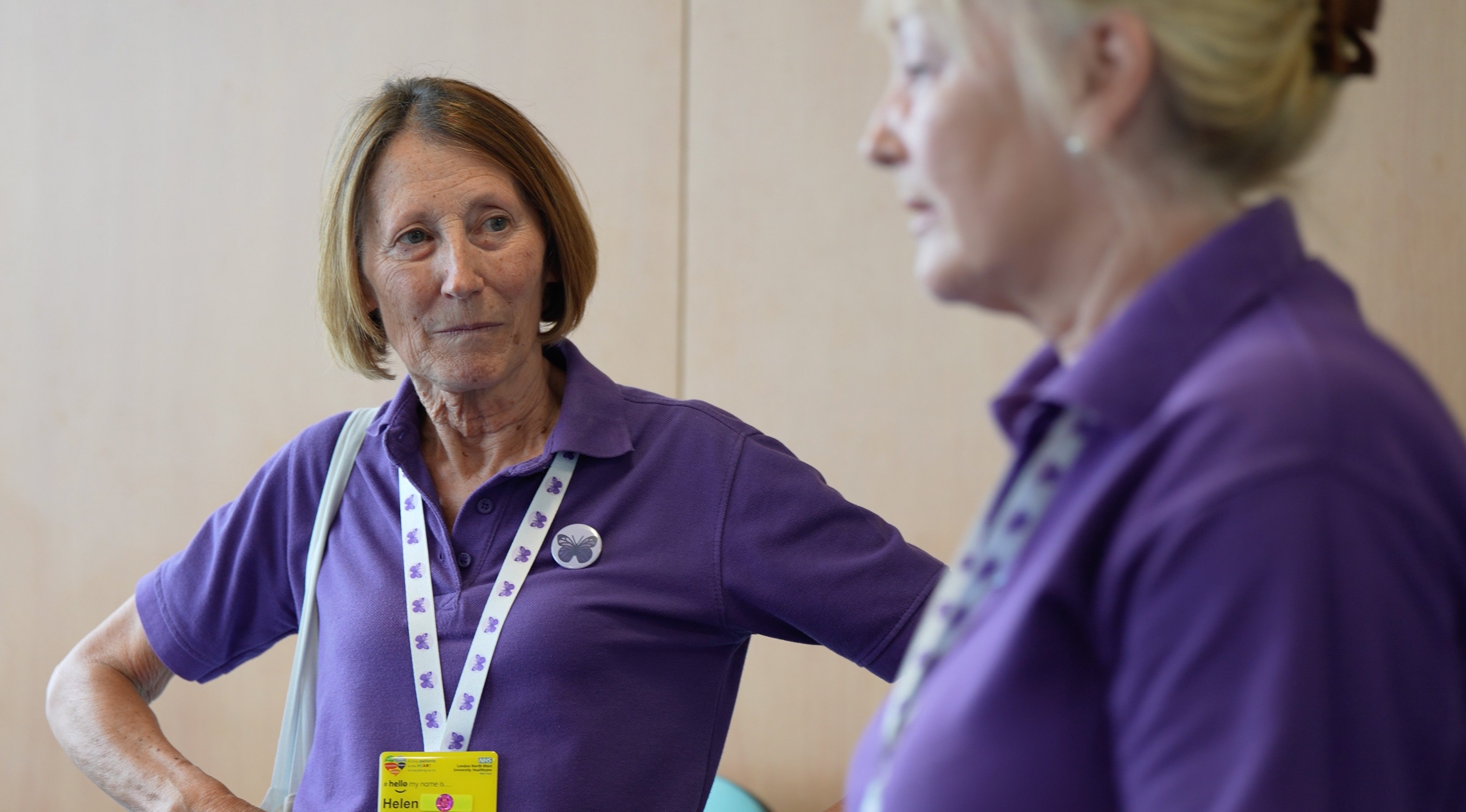
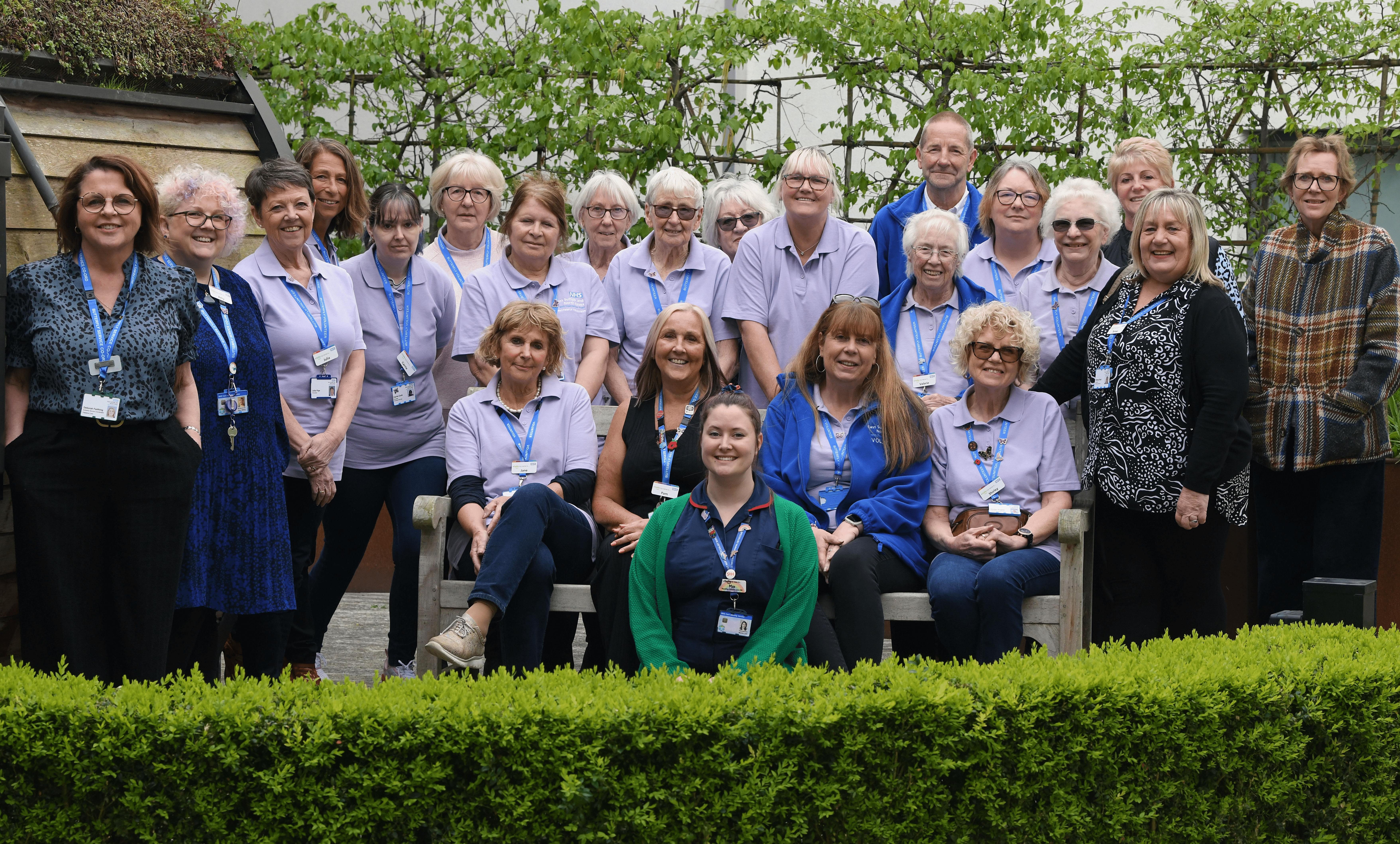
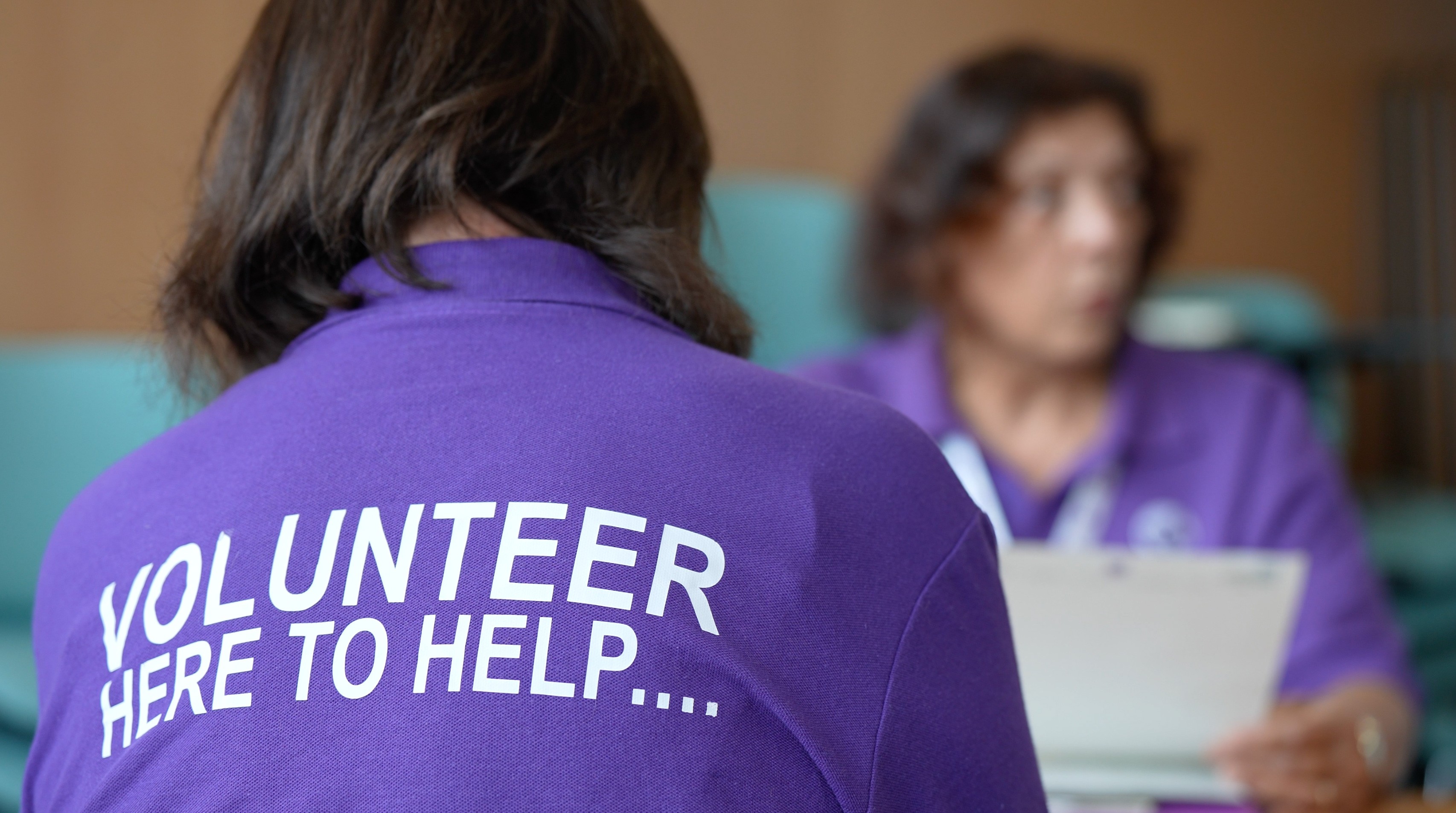
Small acts of support from neighbours, friends, volunteers and community groups often matter more than people realise.
This might include:
Sitting with someone
Bringing meals
Running errands
Offering companionship
These informal networks often fill the gaps between professional visits. Your GP practice or local community groups may be able to help you find local support, if any is available.
Planning and expressing wishes
Another important kind of support focuses on helping someone think about and express what matters most to them.
These conversations often work best when they happen earlier, and can be revisited over time. Leaving them until the final days can make things feel rushed, especially when energy is low and choices may be more limited.
This kind of planning might include:
Where someone would prefer to be cared for
What treatments they would or would not want
Who they would like around them
What feels comforting, familiar or important
GPs, nurses and palliative care teams can help turn these conversations into clear plans. Many people feel a sense of calm once their wishes are written down and shared, knowing that those around them understand what matters most.
You may also find our My Wishes Checklist helpful when thinking about end of life planning.
When someone is actively dying
In the final days and hours of life, care and support usually increase. Out of hours teams from GP services, community nursing or hospices can often be contacted day or night if something changes or you are worried, depending on what is available in your area.
Families are usually given guidance about what is normal and what to expect, which can help reduce fear and uncertainty at a very difficult time.
It is always okay to ask questions, even if they feel small, obvious or repetitive. You deserve clear answers, reassurance and to know who you can contact.
To find out what ‘actively dying’ is, and the signs to look out for, you can read our article in full.
The materials on this Support Hub were created by our team to provide guidance and general information. Whilst we make every effort to ensure our insights are accurate, this content does not constitute medical, legal, or financial advice. Where needed, we encourage you to discuss your specific needs and plans with qualified professionals.
Hear More From Us
Sign up to our newsletter to stay connected with our work and the people we support.

Anne Robson Trust
17 High Street
Stevenage, SG1 3UN
01438 873 257
© The Anne Robson Trust is a registered charity in England and Wales (no. 1178352). All rights reserved. Privacy Policy