Why dying people are still being left alone in UK hospitals

Liz Pryor MBE, CEO and Founder, Anne Robson Trust
A gap no one intended
At 5.15pm on a Friday evening, an elderly woman was dying on a busy NHS ward.
She had been deteriorating for two days. The doctors had done what they could. The nurses knew she was dying. Her family had gone home about an hour earlier, exhausted, and reassured that she was “comfortable”.
The ward was short-staffed. Two new admissions had just arrived from A&E. Then she became agitated and frightened.
There was no one free to stay with her. She died alone.
Not because nobody cared, she died alone because our health system has never really been designed to make sure someone is there at the end.
I want to be clear about that from the start. This is not a criticism of NHS staff or hospitals. The nurses, doctors and wider teams we work alongside care deeply. They do their best for patients and families, often under relentless pressure.
What I am describing isn’t a failure of compassion. It’s a gap in the way hospital care is structured.
Supporting people who are dying in hospital
The NHS was built to diagnose, treat and stabilise. It was not built around the quieter, less measurable needs people have when they are dying: the need for someone to sit with them, notice fear, offer calm, and be present when family cannot be there.
Most hospital deaths aren’t sudden, dramatic medical events. More often, someone deteriorates gradually. Treatment stops helping in the way everyone had hoped. The focus begins to shift from cure to comfort.
But once that shift happens, the structure around the person often doesn’t change very much.
There is usually no formal handover to a “dying care” team. No protected time for a nurse to stay at the bedside. No named person whose role is simply to be there when someone is frightened, unsettled or alone.
Instead, the same overstretched ward team continues to manage admissions, medications, observations, discharge pressures, confused patients, relatives with questions, emergencies, paperwork, phones ringing and bleeps going off.
And somewhere in the middle of all of that is a person who is about to die.
Nurses do what they can, they check symptoms, they offer reassurance when they have a moment. Doctors review when they are able to. Families sit for as long as they can, until exhaustion, work, childcare, travel or emotional overwhelm means they have to leave.
Then the ward gets busy again. Because it always does. And unless someone has been given the time and role to respond to it, dying can slip to the edge of everything else.
It’s tempting to call this a winter pressures problem, but it’s not. Winter makes it more visible, but this happens all year round, in good hospitals, with good staff, because dying has never been properly built into the basic model of hospital care.
The role of palliative care in hospitals
Whenever I speak about this, someone usually asks, “But isn’t that what palliative care teams are for?”
It’s a fair question. But specialist palliative care teams are not there to provide routine bedside presence for every person who is dying. Their role is to support people with complex pain or symptom control needs, complicated medical conditions, difficult family situations, or challenging decisions about treatment and care.
They are specialist clinicians. Highly skilled, often under resourced, and already stretched.
The elderly woman dying quietly in the corner bed may not meet the threshold for specialist palliative care input. But she still deserves not to die alone.
If it were your mum, your dad, your partner or your friend in that bed, you would not be thinking about service thresholds or staffing models. You would be asking something much simpler:
“Who is with them right now?”
And if the answer was “no one”, it would not feel acceptable. However busy the ward was.
That’s the gap too many people fall into: between general ward care and specialist services. A space that is nobody’s clear responsibility.
Many nurses carry this heavily. They know a patient is dying. They know nobody should be alone at that moment. Then another patient falls. A new admission arrives. A relative needs urgent support, their bleep goes off, and they have to walk away.
How trained volunteers can support dying patients
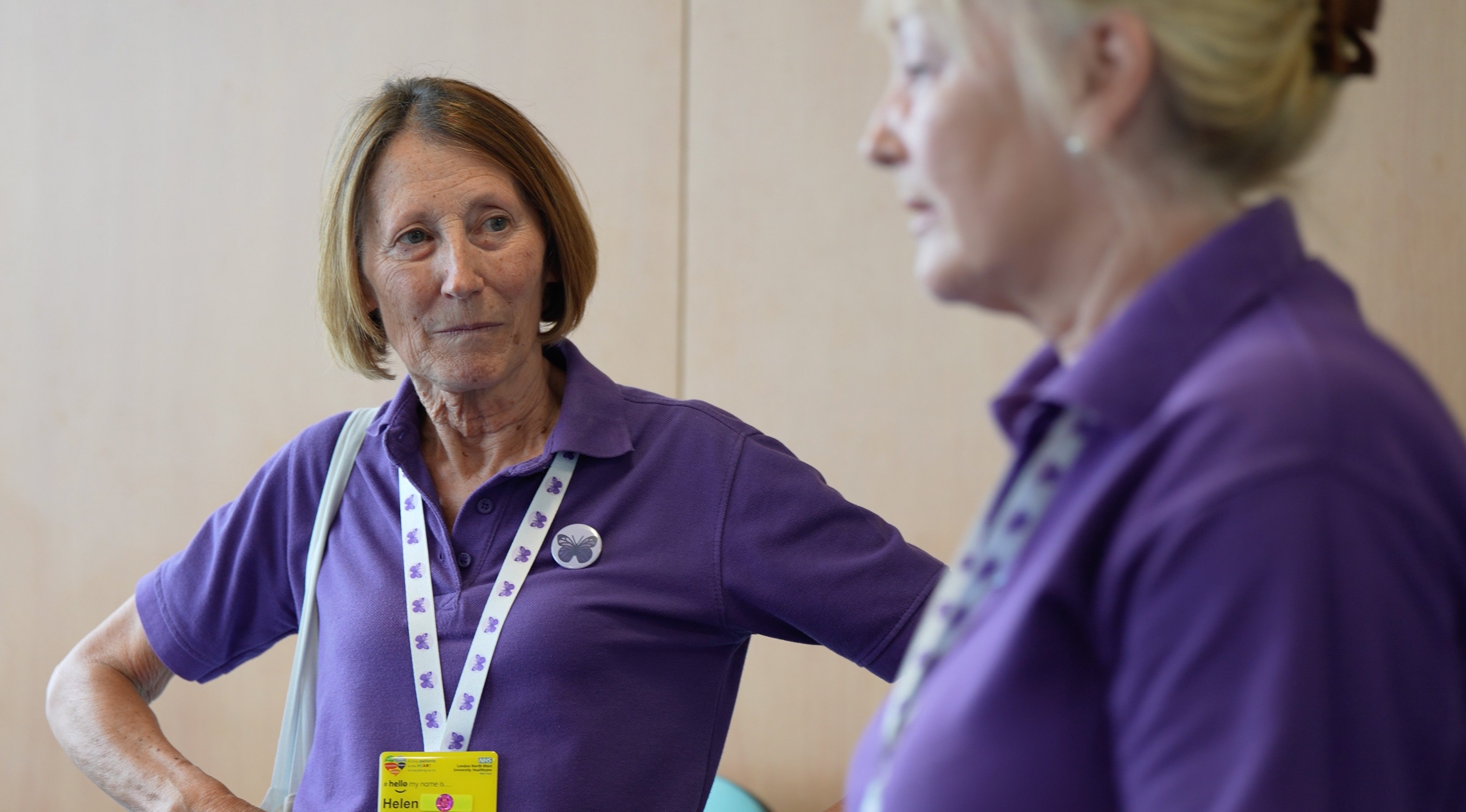
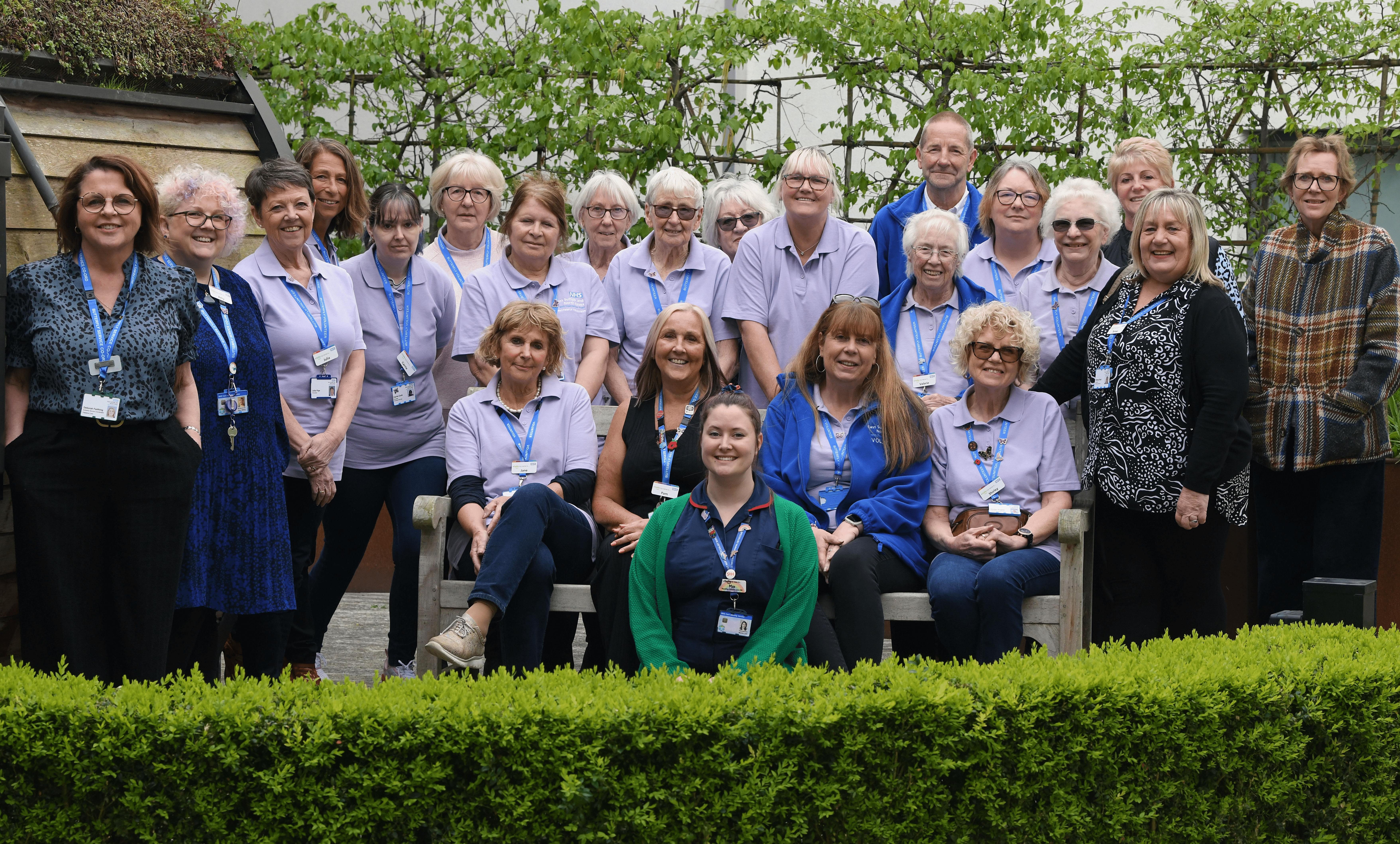
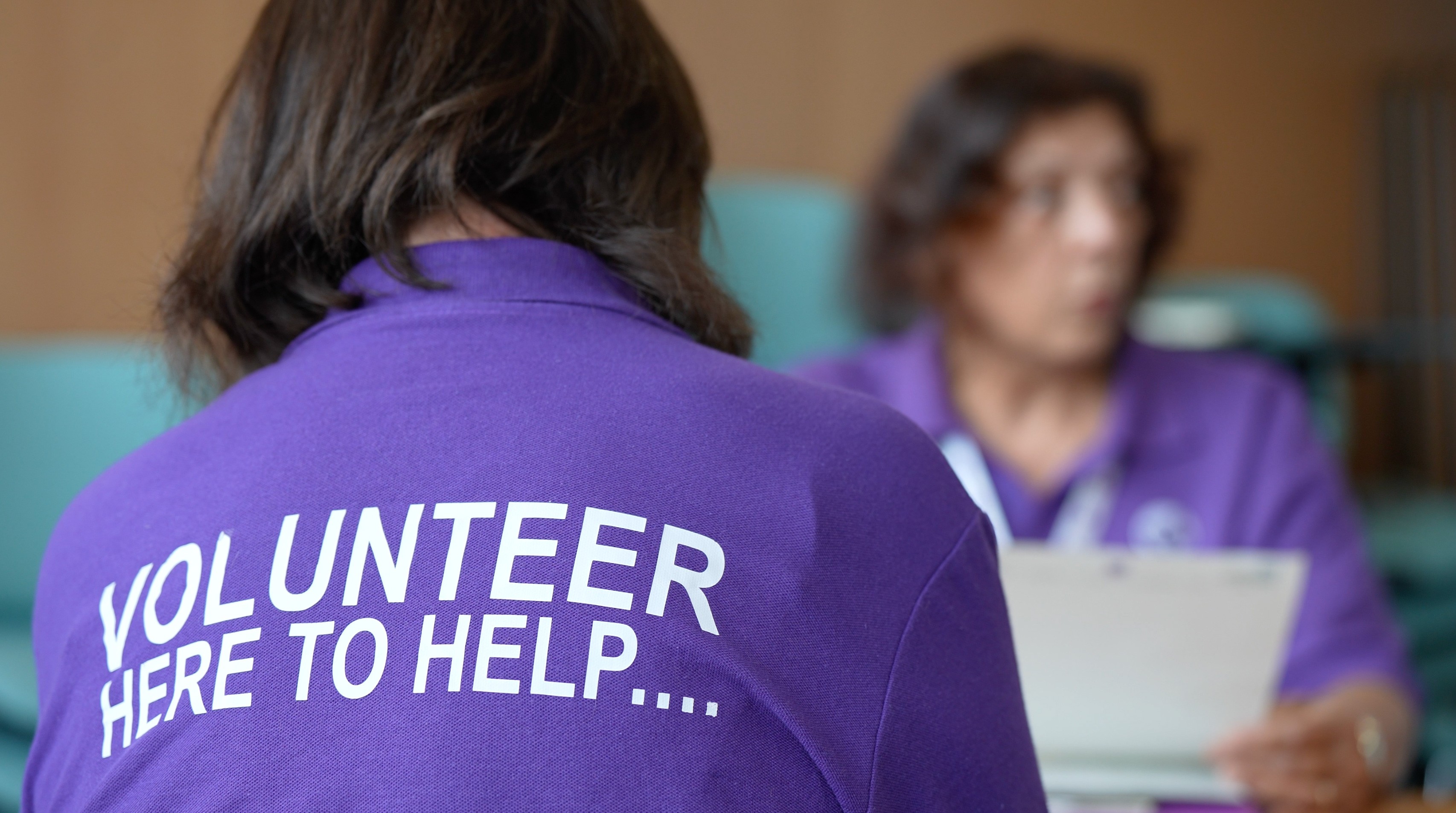
We don’t need armies of new clinicians to fill this gap. We need a recognised role for trained volunteers, properly integrated into ward routines, with supervision, safeguarding, clear boundaries and clear referral pathways.
When that exists, the change is simple, but it matters.
Dying people have someone beside them. Families can go home to sleep knowing their loved one is not alone. Nurses carry a little less guilt. Doctors know that, when they cannot stay, someone else can.
People aren’t being left alone to die because the NHS is failing. They are being left alone because presence at the end of life is not clearly anyone’s job.
How a society treats people at the end of life says something about what it values.
Right now, without ever meaning to, we are saying that no one has time to sit with the dying.
That is not a moral position. It is a design flaw.
Hear More From Us
Sign up to our newsletter to stay connected with our work and the people we support.

Anne Robson Trust
17 High Street
Stevenage, SG1 3UN
01438 873 257
© The Anne Robson Trust is a registered charity in England and Wales (no. 1178352). All rights reserved. Privacy Policy