Why conversations about dying often happen too late

Liz Pryor MBE, CEO and Founder, Anne Robson Trust
Why we avoid talking about dying
In my experience, people avoid talking about death and dying even when everyone knows what’s happening.
We skirt around the subject. We wait for somebody else to mention it first. We worry that saying the word “dying” will frighten the person who’s ill, take away their hope or suggest that we’ve given up on them.
I also think there’s an almost superstitious fear around these conversations. If we don’t talk about death, perhaps it won’t happen, while saying the words out loud might somehow make it happen sooner.
I ran a workshop a few years ago where somebody said that believing talking about dying will make it happen is like believing talking about sex will make you pregnant. My response was that I’m living proof that talking about dying doesn’t make it happen. I’ve spent years talking about it, and I’m still here!
It made everyone laugh, but there was a serious point behind it. We can behave as though saying the words will somehow bring death closer, even though avoiding them won’t keep it away.
Why we find the words so difficult
Then there’s the awkwardness. Will the other person be comfortable talking about it? Should we say “dying”, or use a phrase such as “passing away” or “moving on”? We’ve come across 56 different ways of avoiding the words “death”, “dying” and “dead”. Fifty six! I think that tells us something about how incredibly uncomfortable we’ve become as a society.
Of course, the desire to protect someone we love is completely understandable. But while everyone’s trying to protect everyone else, people can be left carrying their fears alone.
When trying to protect each other creates silence
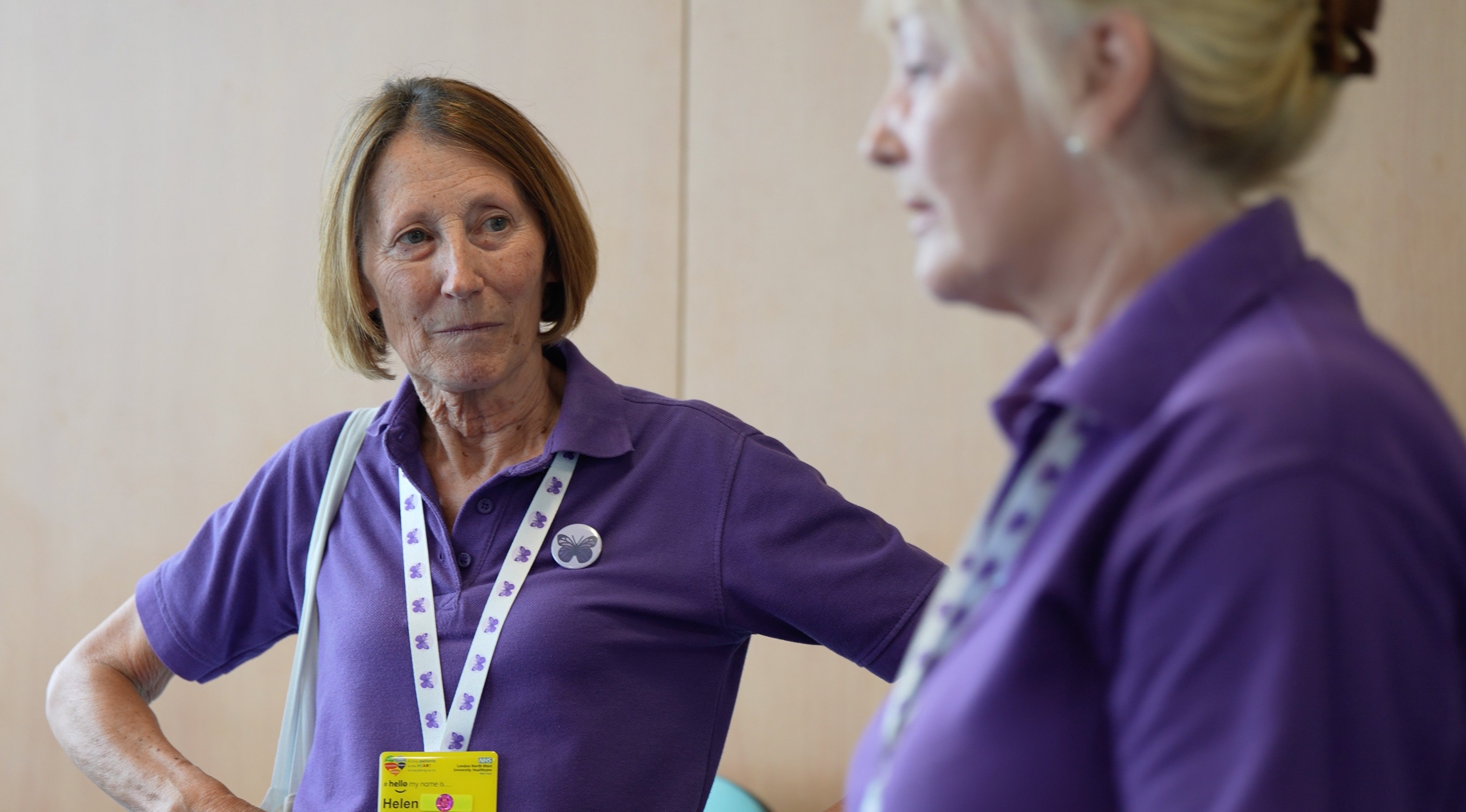
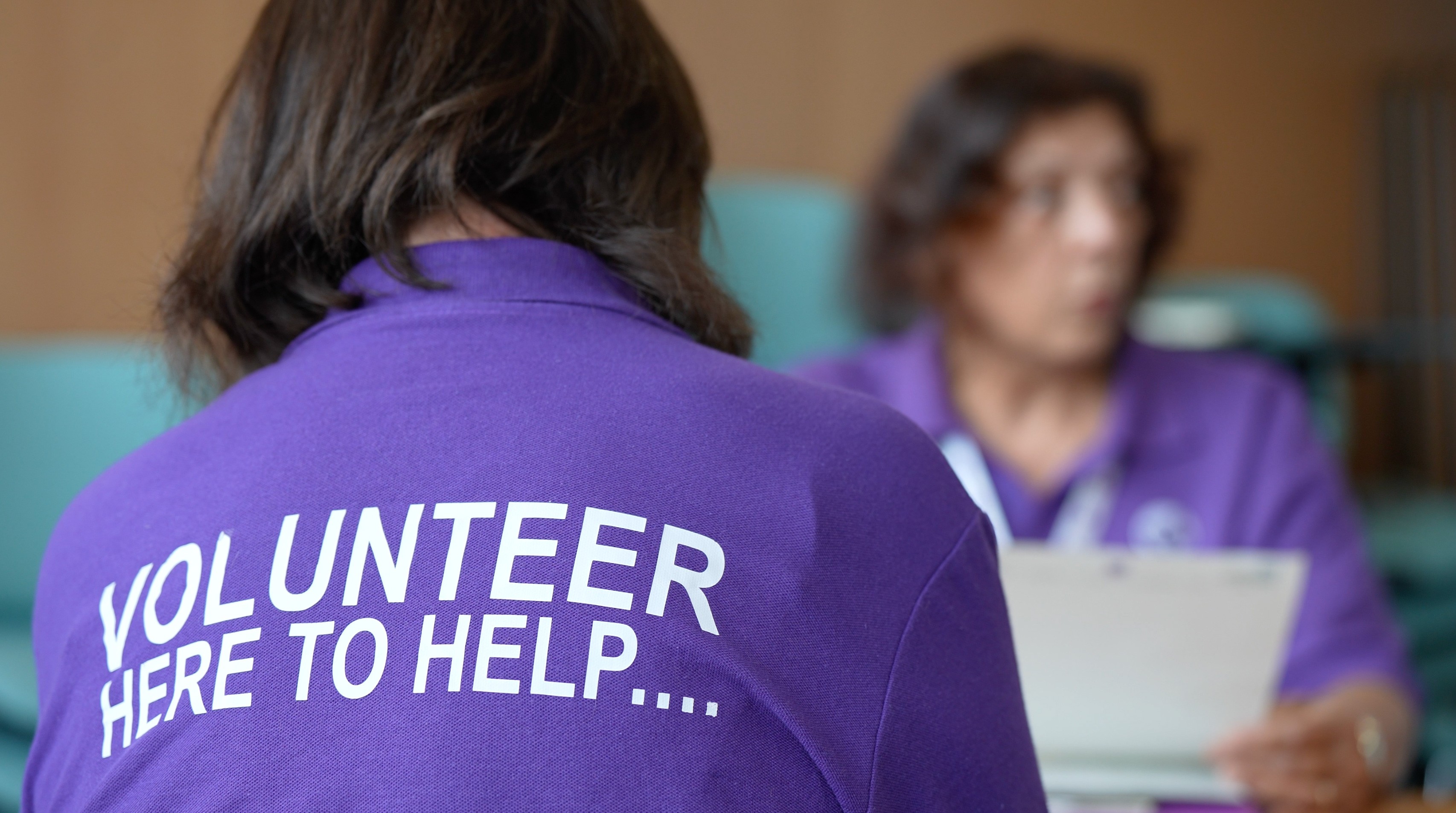
I remember an elderly couple who were being supported in hospital by a Butterfly Volunteer. The husband was dying, and his wife of 40 years was sitting beside him. When his wife left the ward to go to the toilet, he told the volunteer that he knew he was dying. He didn’t want to talk to his wife about it because he was worried it would upset her. But he was anxious about how she’d cope after he’d gone.
Later, his wife walked outside with the volunteer to get some fresh air. She explained that she didn’t think her husband knew he was dying. She didn’t want to mention it because she thought it would upset him, and because she knew they’d both become emotional.
There they were: two people who’d shared their lives for 40 years, both knowing what was happening. Yet each was staying silent to protect the other.
The Butterfly Volunteer handled the situation with great sensitivity. She didn’t betray either person’s confidence or force them into a conversation. She gently helped each of them recognise that the other might be more able, and more willing, to talk than either of them had imagined.
Eventually, they did talk. They were both hugely grateful that they’d been able to acknowledge what was happening and face it together.
That conversation didn’t cause his death or take away their sadness. But it meant they no longer had to pretend with each other. It gave them an opportunity to talk about his worries for her and to say some of the things they needed to say.
What can happen when conversations are left too late
I’ve seen how silence can appear to be an act of kindness. Sometimes it is; nobody should be pushed into a conversation they don’t want. But silence can also create distance at the very time when people most need to feel close.
When these conversations are left too late, opportunities can disappear quickly. The person may become too tired, confused or unwell to communicate. Their family can then be left making important decisions without knowing what they’d have wanted.
We supported another family whose mum died before they’d spoken about what she wanted to happen afterwards. They didn’t know whether she wanted to be buried or cremated, or whether she’d have wanted a church service. They were already distraught because she’d died. Alongside their grief, they felt ashamed that they hadn’t found the courage to ask her.
I don’t believe they’d failed their mum. Like so many families, they probably hoped there’d be more time, or that the right moment to talk would somehow present itself. The problem is that the “right moment” rarely arrives. There’s rarely a time when everyone feels calm, comfortable and completely ready to talk about death. If we wait for that moment, we may wait too long.
There doesn’t have to be a perfect moment
These conversations don’t have to cover everything at once, and they don’t need to be perfectly worded. Sometimes it’s enough to say: “I know we both find this difficult to talk about, but I don’t want to avoid it.”
The person may not want to talk at that moment, and their choice should be respected. But gently opening the door lets them know that they can speak honestly when they’re ready.
Talking about dying doesn’t mean giving up hope
Talking about dying isn’t an admission of defeat, and it doesn’t mean abandoning hope. It means recognising what’s happening and giving people the opportunity to face it together. We avoid these conversations because we’re afraid of causing pain. But the illness, fear and uncertainty are already there. Saying the words doesn’t create that reality.
The conversation doesn’t have to be perfect. Sometimes, one person simply has to be brave enough to start it.
Hear More From Us
Sign up to our newsletter to stay connected with our work and the people we support.

Anne Robson Trust
17 High Street
Stevenage, SG1 3UN
01438 873 257
© The Anne Robson Trust is a registered charity in England and Wales (no. 1178352). All rights reserved. Privacy Policy