Surely that’s what hospices do?
Liz Pryor MBE, CEO and Founder, Anne Robson Trust
Who supports someone when they are dying?
When I talk to people about the work of the Anne Robson Trust, I often hear the same question.
“Don’t nurses do that?”
It’s an understandable thing to ask.
Most of us grow up with an idea of hospital care that is calm, complete and constant. We imagine that when someone is admitted to hospital, every need will be noticed and met. That nurses will have time to sit beside dying patients, talk to them, reassure them, hold their hand, and stay with them if they are frightened.
But it’s not the reality on many busy NHS wards.
Nurses and healthcare assistants are caring for people with complex needs, often under enormous pressure. They are managing medication, observations, personal care, admissions, discharge planning, confused patients, distressed relatives, paperwork, emergencies and everything else that comes through the door.
They care deeply, but they don’t always have time. That’s the part people often don’t see until they are there themselves.
A nurse may know that someone is dying and that person is frightened or alone. They may want more than anything to sit with them for a while.
Then another patient falls, a bleep goes off, a new admission arrives. Someone else needs pain relief, a family needs an update. And they have to walk away.
Then comes the next question, “Surely that’s what hospices do?”
Again, it’s a fair question. Most people know hospices provide specialist care for people who are dying or seriously ill. Many people also have a deep affection for their local hospice, often because they have seen the difference hospice care can make.
Hospices do extraordinary work, but they can’t always care for everyone who is dying.
Hospice inpatient units usually have a limited number of beds. They also have specific admission criteria. Some people are admitted for symptom control, respite, assessment or specialist support, and may only stay for a short time before going home or returning to another care setting.
Some people do die in a hospice. Many do not.
A large number of people still die in hospital. Some are there because they need clinical care. Some are there because their needs have changed quickly. Many are admitted from home or from a care home because the people around them are worried, unsure, or feel unable to manage what is happening.
Recognising when someone is dying can be difficult, and supporting someone through their final days can feel frightening. People often do what they think is safest, and there is nothing wrong with that.
So hospitals continue to care for people at the end of their life, whether or not hospital is where that person would have chosen to be.
And this is where the gap appears. Hospices can’t be everywhere, palliative care teams can’t provide routine bedside presence for every person who is dying, and ward teams can’t always stay as long as they would like. Families also can’t always be there every hour of the day and night.
So who sits with the person who is dying when no one else can?
That is the question at the heart of our work.
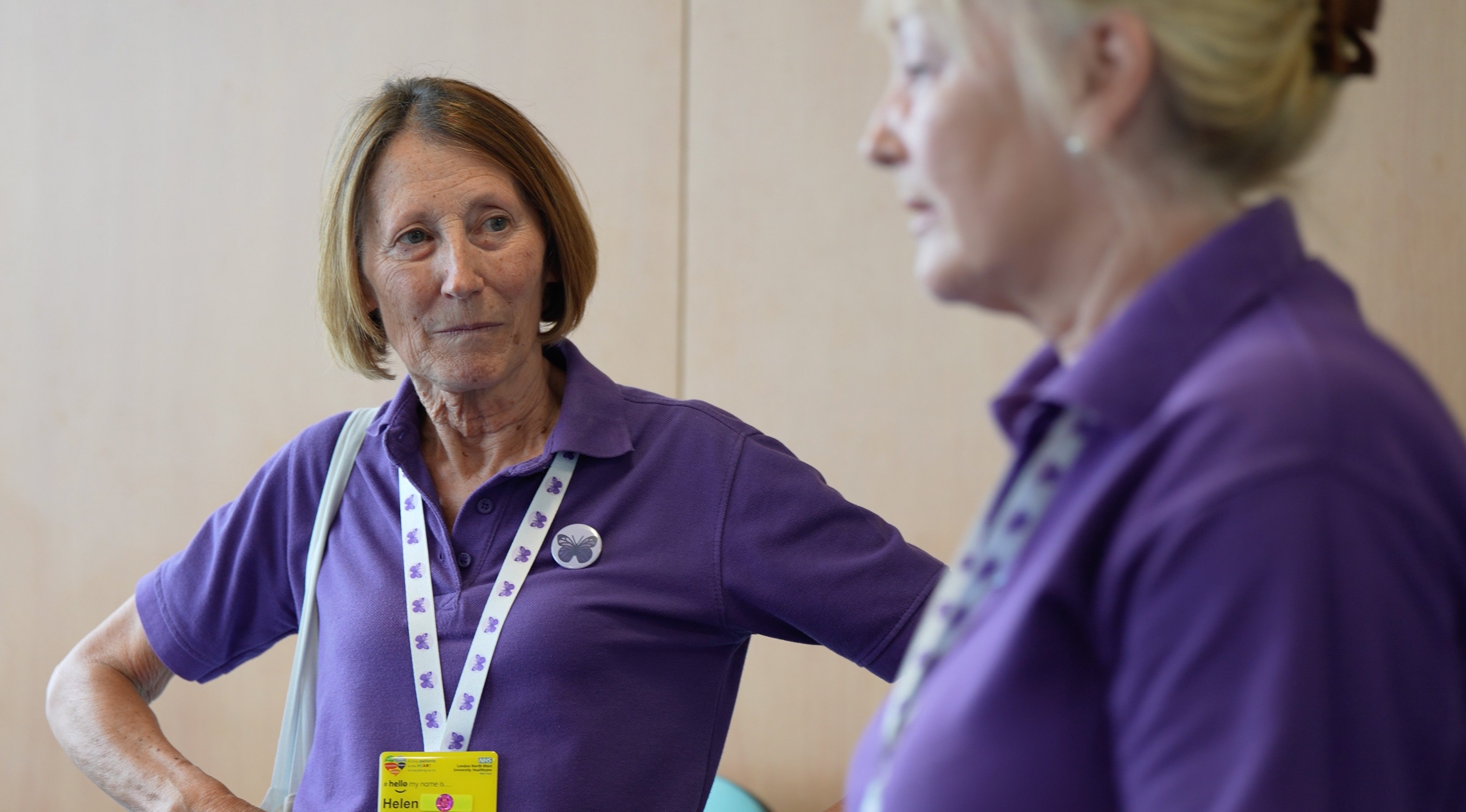
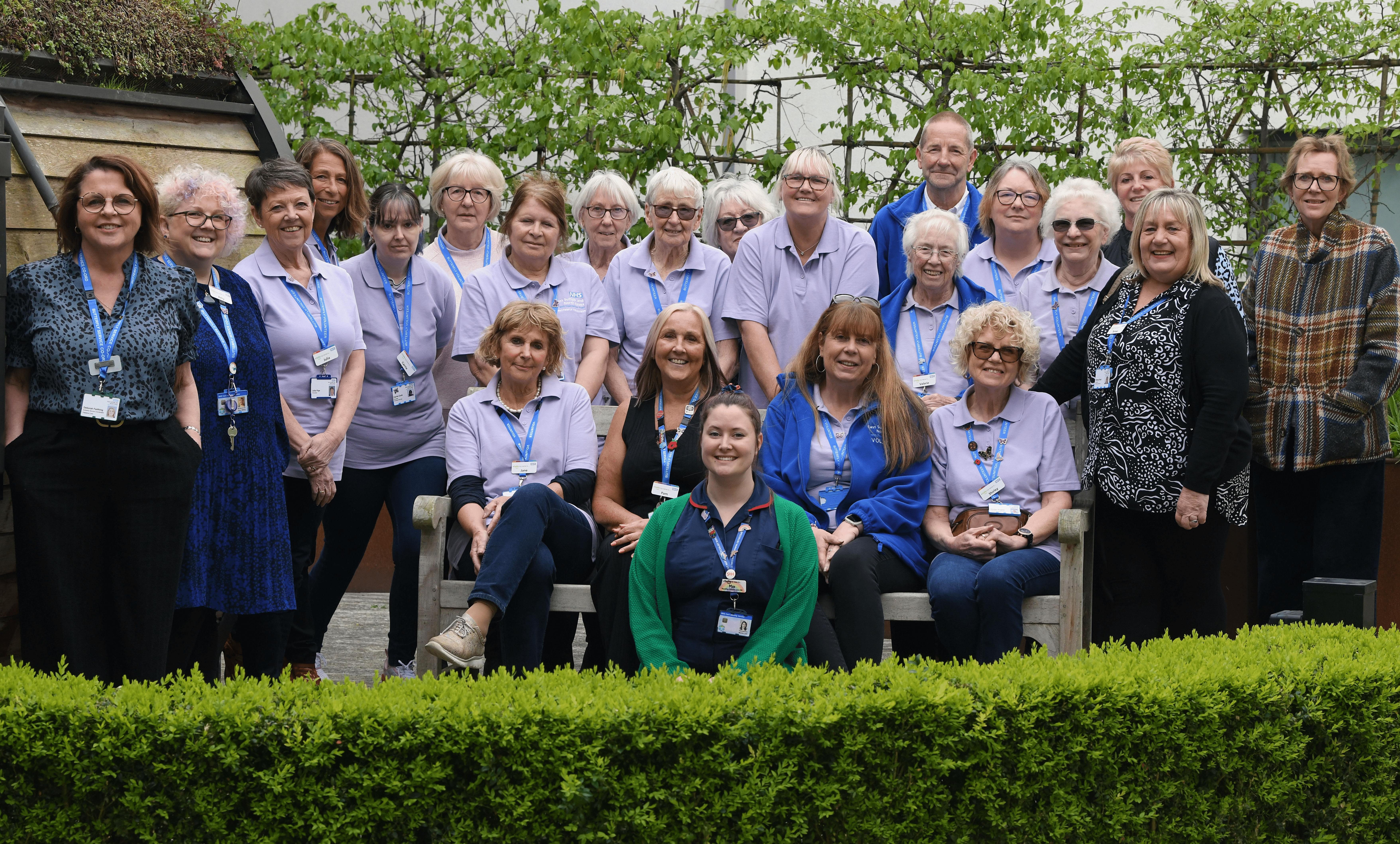
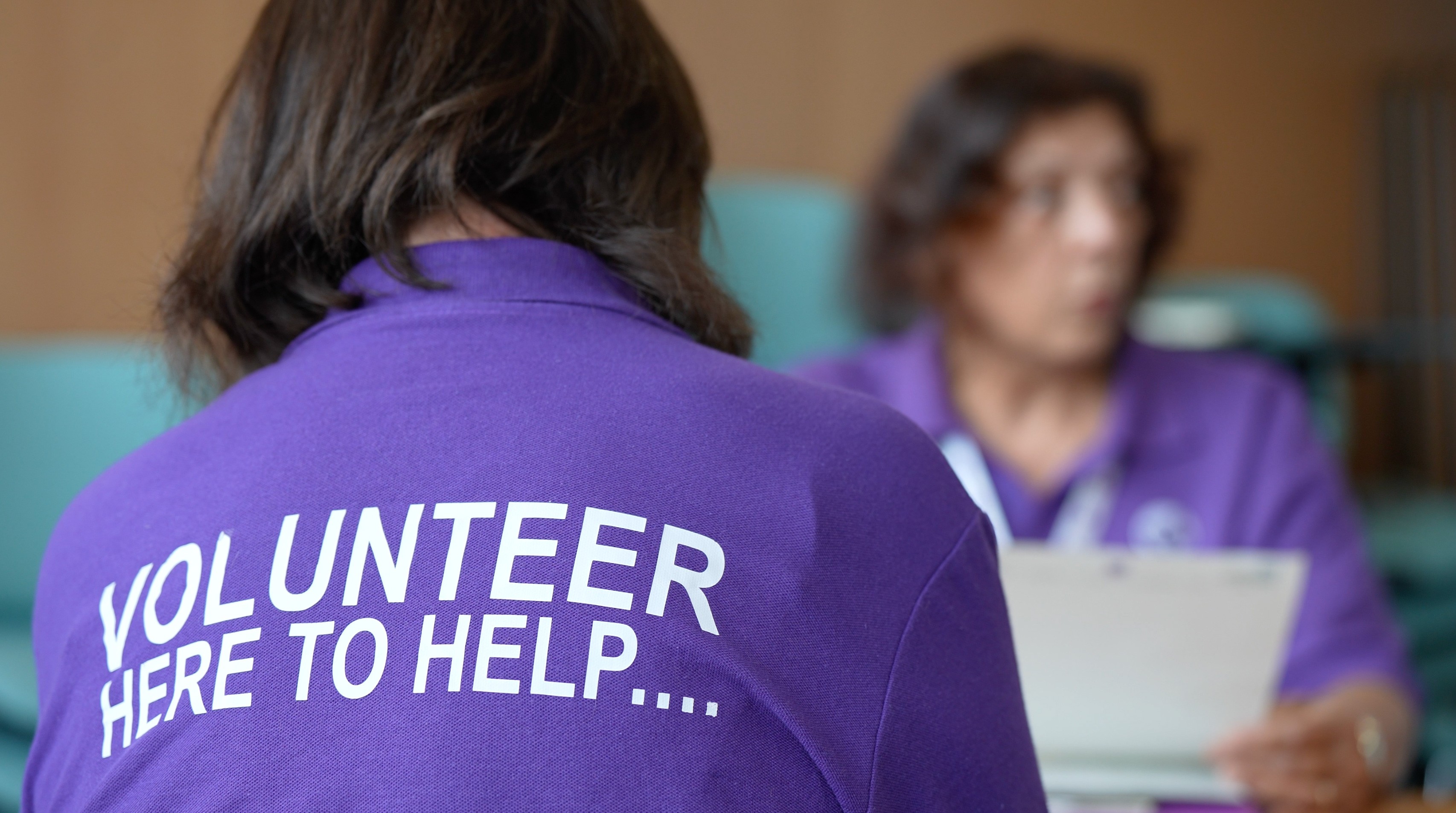
At the Anne Robson Trust, we help NHS Trusts and hospices set up teams of specially selected and trained end of life volunteers.
These volunteers offer something very simple, and increasingly rare in a busy healthcare setting, time.
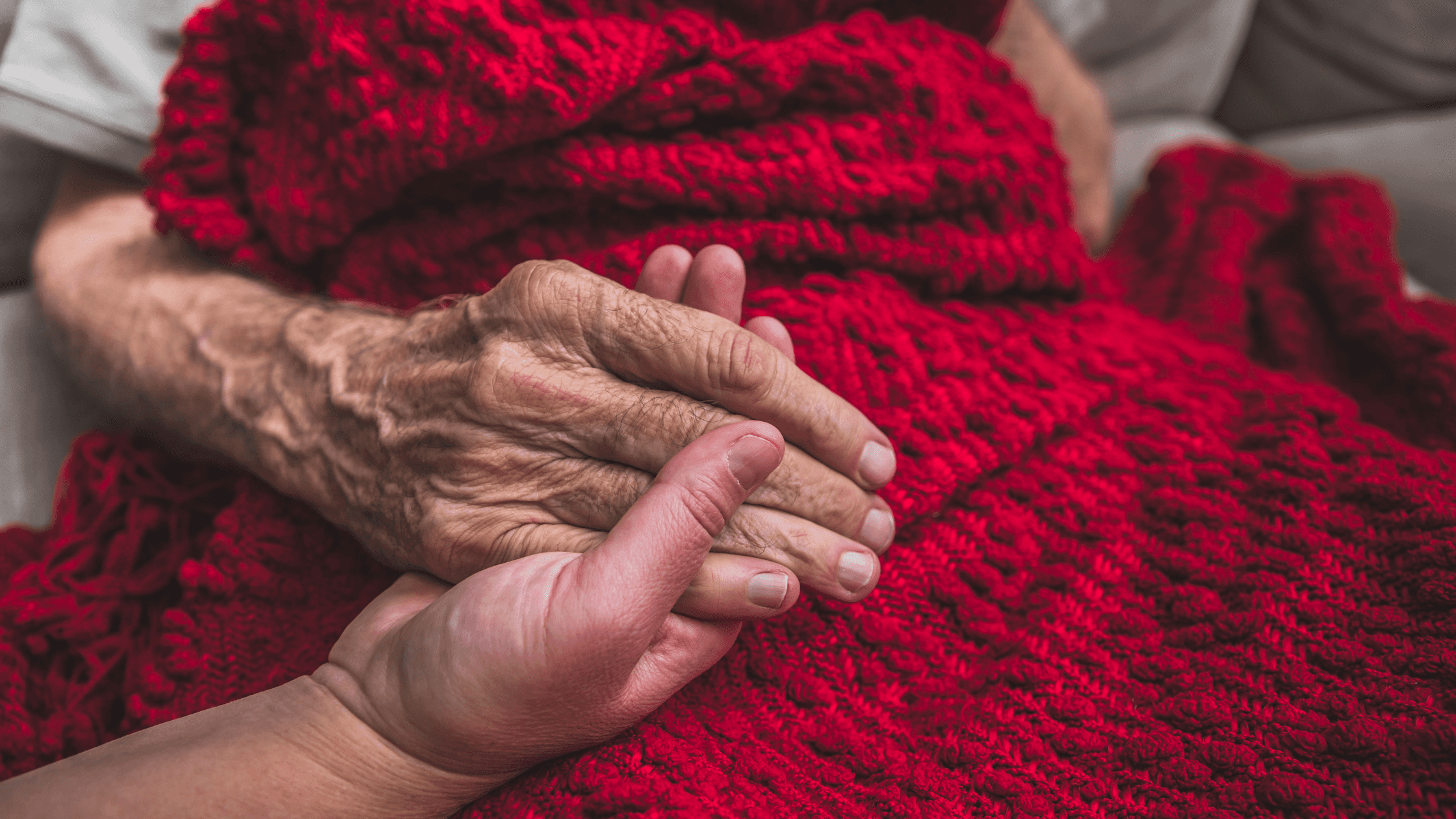
Time to sit with someone who might otherwise be facing the last days or hours of life alone. Time to listen if they want to talk. Time to be quiet if they don’t.
It might be noticing fear, holding a hand, or simply being a calm presence in the room.
They can also support families and friends, make a cup of tea, show someone where to go or who to talk to.
This support doesn’t replace nursing care or specialist palliative care. It gives ward staff another layer of support and it gives families someone else to turn to. And most importantly, it means a dying person is less likely to be left alone simply because everyone else is stretched beyond what is humanly possible.
Since my own mother died unexpectedly in hospital in 2010, I have spent many years working in and around the NHS. I’ve listened to staff talk honestly about the pressure they are under, and I’ve seen how much it hurts them when they can’t always give the kind of care they came into healthcare to provide.
One palliative care nurse said something to our volunteers during a training day that has stayed with me.
She said, “The reason I came into nursing was to provide care and compassion to my patients, and I no longer have time to do that. By doing this role, you will be doing the best bit of my job.”
That’s why this matters, because dying people need time, presence and human support. And unless we make that somebody’s role, it too often becomes nobody’s responsibility.
We all need the NHS. The question is not whether we value it, the question is whether we are willing to help fill the gaps it was never designed to carry alone.
Hear More From Us
Sign up to our newsletter to stay connected with our work and the people we support.

Anne Robson Trust
17 High Street
Stevenage, SG1 3UN
01438 873 257
© The Anne Robson Trust is a registered charity in England and Wales (no. 1178352). All rights reserved. Privacy Policy